Active Release Techniques® (ART)
Chiropractic
Sound Assisted Soft Tissue Mobilization (SASTM)
Functional Movement Assessment
Corrective Exercise
Active Release Techniques® (ART)
ART® is a patented, state-of-the-art soft tissue system that treats problems with muscles, tendons, ligaments, fascia and nerves. It is an advanced system of diagnosis and manual treatment for soft tissue disorders resulting from:
• Cumulative Trauma Disorders (CTD)
• Repetitive Strain Injuries (RSI)
• Postural strain
• Sports injuries
• General wear and tear
Tension headaches, carpal tunnel syndrome, shin splints, golfers and tennis elbow, back pain, sciatica, rotator cuff syndrome, tendinosis, knee pain, and most sports injuries are some of the many conditions that can be resolved quickly, and most often permanently, with ART®. These conditions all have one important thing in common – they often result from injury to over-used muscles.
Over-used soft tissue injuries occur in 3 ways:
• Acute injuries (pulls, tears, collisions, etc.)
• Accumulation of small tears (micro-trauma)
• Lack of oxygen (hypoxia)
Each of these factors can cause your body to produce tough, dense scar tissue in the affected area. This scar tissue binds up and ties down tissues that need to move freely. As scar tissue builds up, muscles can become shorter and weaker, tension on tendons can cause tendinosis, and nerves can become entrapped. This can cause reduced range of motion, loss of strength and pain. If a nerve is entrapped you may also feel tingling, numbness and weakness.
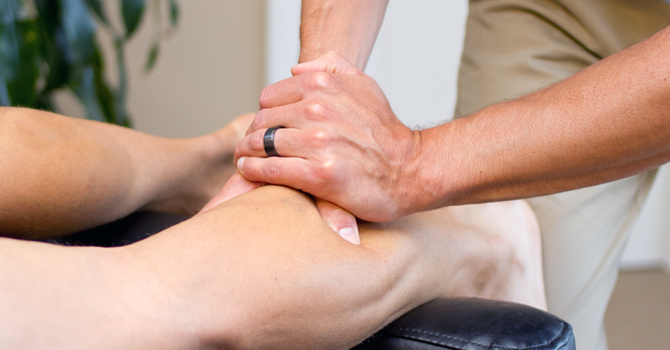
ART® is highly effective in locating and eliminating scar tissue adhesions and tightness that has formed as a result of injury whether it be chronic, acute, repetitive or postural in nature. The soft tissues are worked manually to improve tissue texture and tension, and to restore normal range of motion and function to the area.
Every ART® session is a combination of examination and treatment. The doctor uses his hands to evaluate the texture, tightness and movement of muscles, fascia, tendons, ligaments and nerves. Abnormal tissues are treated by combining precisely directed tension with very specific patient movements. ART® is unique in its systematic approach. It is dependent on patient and tissue tolerance as the patient can control the active movement during treatment. These treatment protocols – over 500 specific moves – are unique to ART®. They allow providers to identify and correct the specific problems that are affecting each individual patient.
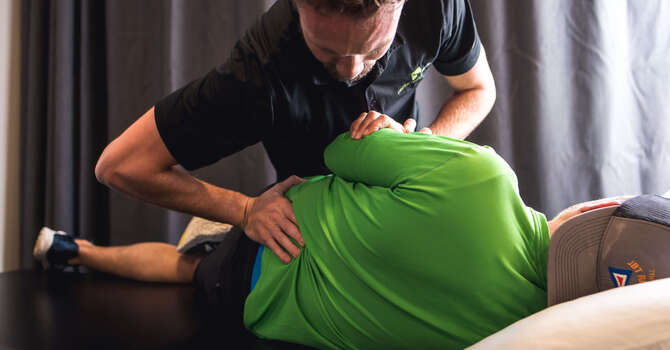
The primary goal of chiropractic manipulation is to restore normal joint motion, particularly to areas of the spine. When a joint is unable to move normally, pain, inflammation, and muscle spasm can occur. There are three common ways that joints can become restricted:
• Musculature in a state of continual contraction due to over activity or injury can restrict joint movement.
• Joints are lined with synovial folds of cartilage that can become entrapped between the two joint surfaces preventing normal movement.
• Adhesions and scar tissue can develop around the joint and restrict normal movement. This can be a result of trauma, inflammation, immobilization or degenerative joint disease.
Joint manipulation is a highly controlled, impulse-like movement across the joint to separate the two surfaces. Joint mobilization is similar to manipulation but entails oscillations or tractional movements that coax movement. Each of these methods can correct alignment, increase or restore joint mobility, and decrease muscle tone around the joint. These procedures are adapted to meet the specific needs of each patient.
Chiropractic manipulation is recognized as one of the safest, drug-free, non-invasive treatments available for headache, and neck and back pain. During the last 25 years there have been six formal government studies of chiropractic, all of which have found the profession to be both safe and effective. In the area of neck pain and low back pain alone, more than 44 studies have been conducted assessing the efficacy and safety of spinal manipulation.
Sound Assisted Soft Tissue Mobilization (SASTM)
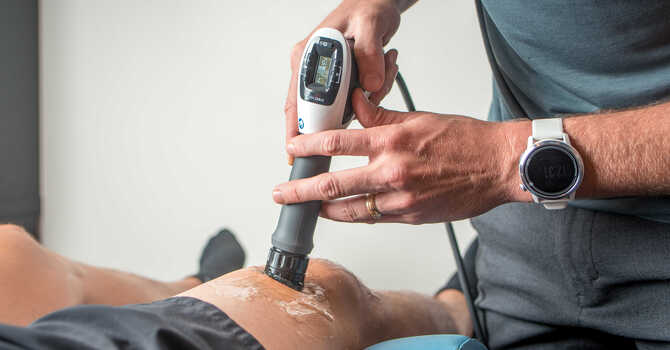
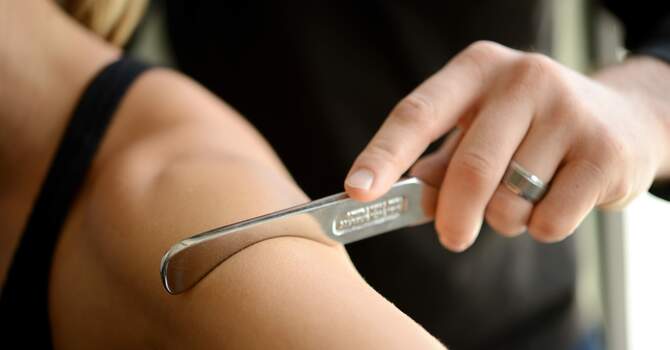
The SASTM method is a form of Instrument Assisted Soft Tissue Mobilization currently used by many hospitals, universities, and professional sports teams throughout the country.
SASTM is a set of hand held instruments that effectively break down scar tissue and fascial restrictions that form around soft tissues (muscle, ligament, tendon, fascia, and nerves). Once the damaged areas are detected, the instruments are used to deliver a controlled microtrauma to the affected area that in turn causes the stimulation of a local inflammatory response. Microtrauma initiates reabsorption of excessive scar tissue and facilitates a cascade of healing activities resulting in a remodeling of the affected soft tissue structures. Adhesions within the soft tissue which may have developed as a result of surgery, immobilization, or repetitive strain are broken down allowing full functional restoration to occur.
Functional Movement Assessment
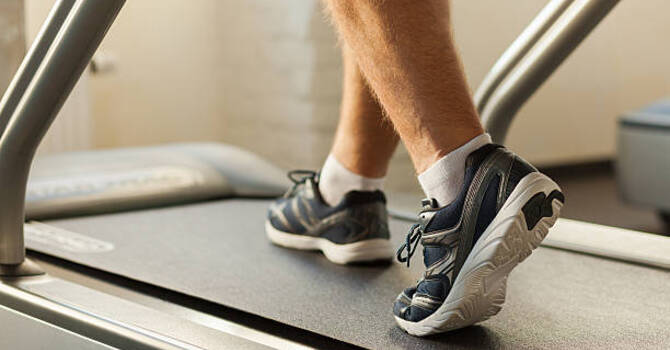
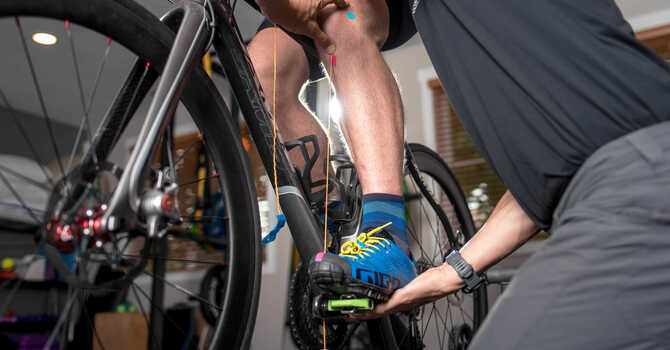
The Functional Movement Assessment is a screening process that identifies poor movement patterns caused by muscle strength and flexibility imbalances. These imbalances can cause compensatory changes in multiple areas of the body resulting in poor efficiency or “energy leaks”. Such inefficiencies can increase the potential for injury or be the root cause of pain.
A Functional Movement Assessment recognizes meaningful impairments. It provides the clinician with the information necessary to:
As a response to or in the presence of pain, the body will compromise or alter movement to accomplish a particular task. These dysfunctional movement patterns can lead to protective movement resulting in decreased range of motion, muscle length changes and declines in strength.
Many athletes have basic movement pattern asymmetries and limitations without associated pain. The identification and correction of these patterns can not only improve an individual’s ability to excel in his or her sport, but can also reduce that athlete’s risk of injury in the future.
Movement is more than muscles moving bones. Movement involves an exchange of information between the brain, spinal cord, and muscles. Assessment of the components of this system (posture, strength, flexibility, balance) and how they work together (movement) can pinpoint the weak links in the system. Based on the findings of the Functional Movement Assessment, focused treatment and corrective exercises will be provided to target dysfunctional movement patterns.
Once the primary musculoskeletal dysfunctions have been identified from the Functional Movement Assessment, corrective exercises are provided. These exercises are administered to correct the faulty movement patterns, restore muscle balance, and reduce musculoskeletal pain.
The corrective exercises strategies listed below are typically used between therapy sessions and beyond:
Used to assist in decreasing the over-activity of the muscle and fascial tissues (trigger points). Foam rollers and massage balls are used to reduce muscle tension.
Active isolated stretching is used to lengthen mechanically shortened muscle and connective tissue to increase range of motion at the tissues and joint.
Used to strengthen and re-educate under-active muscle or muscle groups. The isolated strengthening and stabilization exercises are used to increase muscular strength, coordination and control of movement.
Used to reeducate the nervous system on proper movement patters. The dynamic movement and total body exercise are used to enhance the functional capacity of the entire human movement system.
We'd love to hear from you: whether you've got a question, comment, want to book an appointment or just stopped by to say, "hi!"
Fill out the form to the right and click "Send Message." Then you can click on the "X" to hide the contact box.
We're looking forward to hearing from you!
*Note: We've recently become aware of an issue with our contact form that affected delivery of messages for the month of May. Regretfully we did not receive messages that were sent. We apologize for any inconvenience caused by the error, and have taken steps to ensure the delivery and security of future messages. Thank you for your understanding.
Performance Health Spine & Sport Therapy specializes in helping people move better. Our goal is to eliminate your symptoms, restore full function and promote your healthy lifestyle.